[01] What the Archetype Actually Consists Of
Stripped to its narrative function, a femme fatale is a character, almost always written as a supporting or co-lead role, who holds information or intentions the protagonist does not have access to, and who uses that gap deliberately to influence the plot. She is typically written as intelligent, self-possessed and operating outside the social position expected of her, which is part of what makes her difficult for the protagonist, and often the audience, to read correctly.
The device works because it withholds certainty. A well-written femme fatale keeps her real motive ambiguous for as long as the plot needs it withheld, which is also why the archetype pairs so naturally with the voiceover and flashback structures covered in the next chapter.
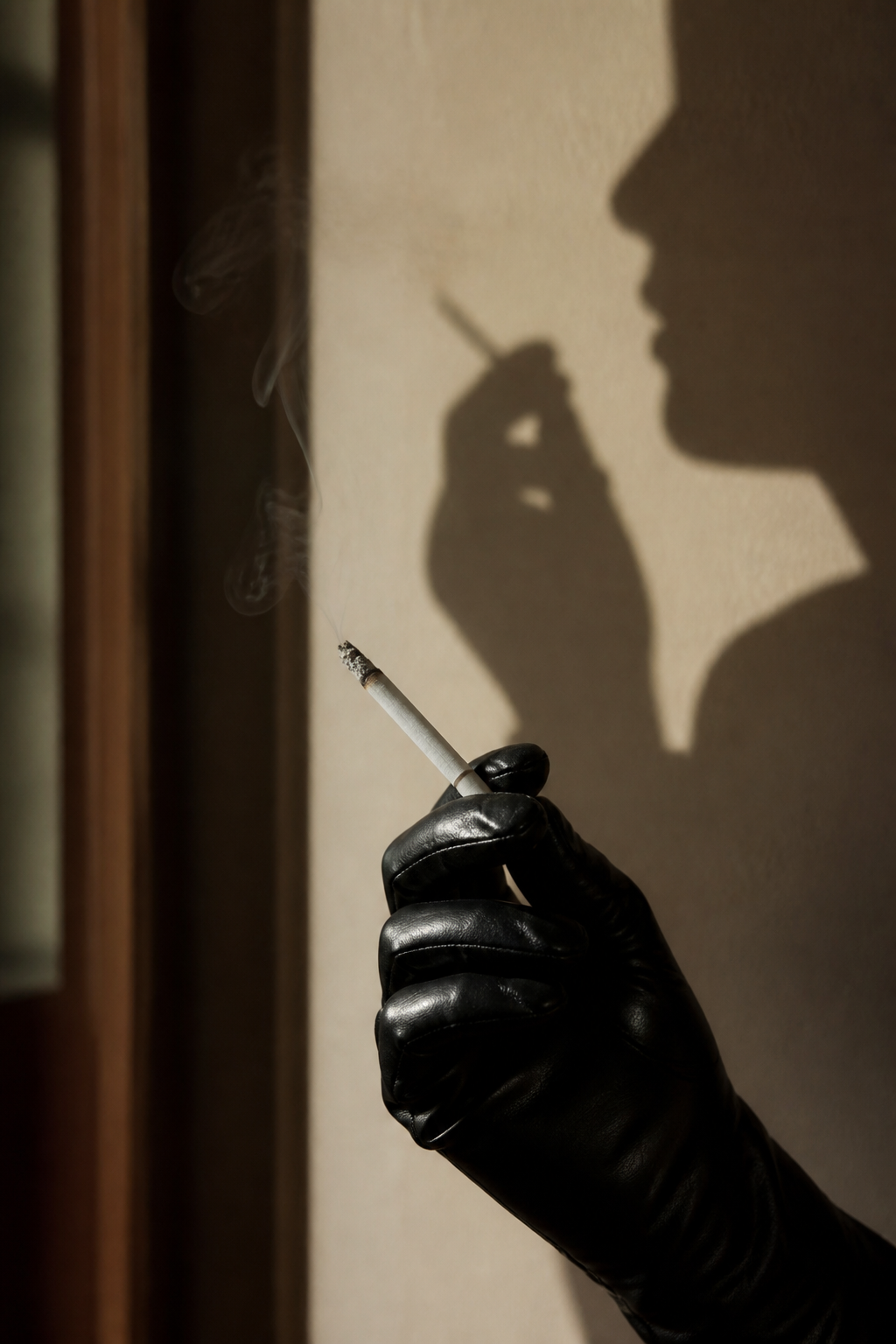
[02] Where Critics Trace It To
![[02] Where Critics Trace It To : The Femme Fatale: Anatomy of a Recurring Character](/images/02-where-critics-trace-it-to-the-femme-fatale-anatomy-of-a-recurring-c.jpg)
Film scholars generally treat the femme fatale as far older than noir itself. Figures from myth and religious narrative, such as Delilah or Salome, are commonly cited as early literary precedents for a woman whose allure directly causes a powerful man's downfall. The archetype resurfaces through nineteenth-century Gothic and Symbolist literature and painting before arriving in twentieth-century American crime fiction.
Within noir specifically, the type is drawn straight from the hard-boiled novels covered in chapter three: characters such as Brigid O'Shaughnessy in Dashiell Hammett's "The Maltese Falcon" carried the archetype directly from page to screen with little alteration.
[03] A Common Contrast in Classic Noir Casting
Film criticism on classic noir often notes that a femme fatale is frequently paired against a second, more conventional female role, sometimes called the "loyal" or "domestic" love interest, to sharpen the contrast between the two.
| Trait | The femme fatale | The conventional counterpart |
|---|---|---|
| Motive | Concealed until late in the plot | Stated plainly and consistently |
| Independence | Acts on her own judgment, often outside the law | Generally supportive of the protagonist's own plans |
| Narrative outcome | Often drives the plot toward its resolution, for better or worse | Usually a stable presence rather than a plot driver |
[04] How Later Films Complicate the Archetype
![[04] How Later Films Complicate the Archetype : The Femme Fatale: Anatomy of a Recurring Character](/images/04-how-later-films-complicate-the-archetype-the-femme-fatale-anatomy-o.jpg)
Neo-noir films, covered fully in chapter nine, frequently rework the archetype rather than repeat it. Later screenwriters have given femme fatale characters more interior perspective, sometimes narrating from her point of view rather than the male protagonist's, or leaving her motives genuinely sympathetic rather than simply concealed for effect.
A note on how to read this chapter
Everything above describes a recurring pattern in fiction and film criticism, not an observation about real people. Treating the femme fatale as a craft device, built to serve a plot, is the same approach this guide takes to every other archetype it covers.
Chapter seven turns from character to structure: the voiceover narration that so often frames these plots after the fact.